
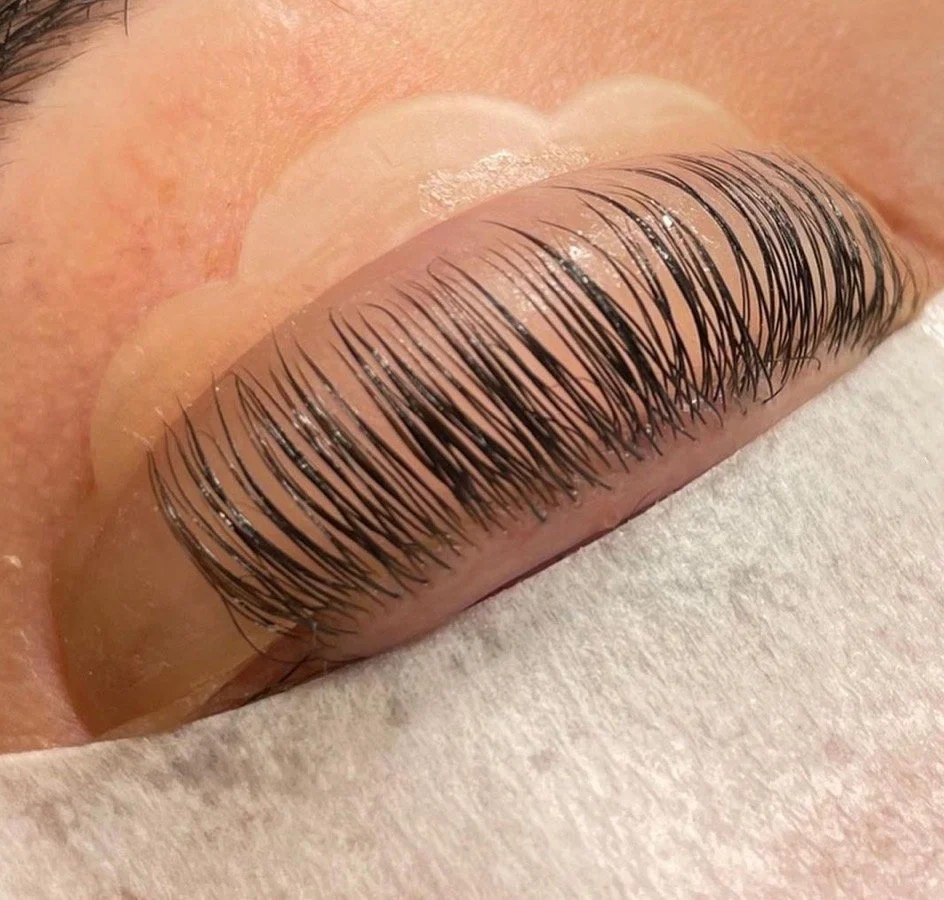
Beauty schools and course providers love making big promises about how quickly you can master lash lifts. “Become certified in one weekend!” or “Start earning immediately after our 3-day intensive!” But anyone who’s actually learned this technique knows the reality is messier than the marketing suggests.
Learning lash lifts isn’t like following a recipe. Sure, you can memorize the steps pretty quickly, but getting consistent results takes way longer than most people expect. Different clients have completely different eye shapes, lash types, and sensitivities that throw curveballs at you when you’re just trying to remember which solution goes on when.
The timeline varies hugely between people too. Someone who’s been doing lash extensions for years will pick this up faster than someone who’s never worked around people’s eyes before. But even experienced beauty professionals hit learning curves they didn’t see coming.
The First Few Weeks: Just Getting Through It
Most training programs cover the basics in 1-3 days. You’ll learn about the chemicals, how to pick the right rods, timing guidelines, and the basic steps. That’s enough information to do the procedure, but don’t mistake information for skill.
Those first few attempts are rough. Everything takes forever because you’re double-checking each step. Your hands shake a bit because you’re nervous about getting chemical near someone’s eyes. The rod placement that looked so simple in videos suddenly feels like trying to thread a needle while wearing mittens.
Quality programs like an Online Eyelash Lift and Tint Training Course provide comprehensive instruction that covers both theory and technique through detailed demonstrations. The key is pairing this solid foundation with hands-on practice to build confidence with real clients.
Most people need about 10-15 practice runs before they stop feeling like they might accidentally blind someone. That usually takes a month or two if you can practice once or twice a week on friends who are brave enough to let you learn on them.
Month 2-4: Building Some Confidence
After about 20-30 practice sessions, things start clicking. Your hands know where to go without you thinking about every movement. You develop timing instincts instead of staring at the clock every 30 seconds. Results become more predictable, though still not perfect.
This is when you start noticing how much client differences matter. Someone with hooded eyes needs completely different rod placement than someone with prominent eyes. Asian lashes often need longer processing time than European hair types. Clients who wear contacts might have more sensitive eyes that tear during treatment.
You’ll mess up some lifts during this phase – everyone does. Maybe you’ll over-process someone’s lashes or get uneven curl patterns. These mistakes teach you more than perfect attempts because you learn to recognize problems before they happen.
Most practitioners start feeling comfortable enough to charge paying clients around the 3-4 month mark, though usually at reduced rates while they’re still building speed and consistency.
Month 6-12: Getting Professional Results
Real competency shows up somewhere between 6-12 months of regular practice. This is when you can look at someone’s eyes and immediately know which rods to use, how to position them for their eye shape, and roughly how their lashes will respond to solutions.
You develop troubleshooting skills that training never really covers. What to do when someone’s eyes water constantly during treatment. How to handle clients with extremely short or damaged lashes. When to talk someone out of a lash lift because it won’t give them what they want.
The business side starts making sense too. You learn to schedule appointments with enough buffer time. You get better at managing client expectations so they’re not disappointed when their straight, sparse lashes don’t suddenly look like a mascara commercial.
Your technique gets efficient enough that treatments don’t take twice as long as they should. Most experienced practitioners can complete a lash lift in 45-60 minutes, while beginners often need 90+ minutes.
Year Two and Beyond: Actually Mastering It
True mastery takes 12-18 months of consistent practice, minimum. This is when you can handle the really challenging cases – clients with unusual eye shapes, previously damaged lashes, or specific result requests that require creative problem-solving.
You develop your own modifications to standard techniques. Maybe you find certain rod combinations work better for specific lash types. You might adjust solution timing based on seasons because humidity affects how chemicals work. These refinements come from doing hundreds of treatments and paying attention to what works.
Master-level practitioners also become skilled at combining services. They know when tinting enhances results versus when it’s unnecessary. They can prep lashes that have been damaged by extensions. They understand how to layer treatments for clients who want specific looks.
What Speeds Up or Slows Down Learning
Previous beauty experience makes a huge difference. If you’re already comfortable working around people’s faces, handling small tools precisely, and dealing with client consultation, you’ll progress faster. Lash extension techs, estheticians, and permanent makeup artists have transferable skills that help.
Practice frequency matters more than total hours. Someone practicing twice a week consistently will develop skills faster than someone cramming the same number of sessions into intensive weekends with long breaks between.
The variety of your practice subjects affects learning speed too. If you only practice on similar eye shapes and lash types, you won’t develop the adaptability skills that real client work demands.
Setting Realistic Expectations
The key to success is being honest about where you are in the learning curve. Clients appreciate transparency, and many are happy to work with newer practitioners at lower rates as long as they feel safe and informed.
Don’t rush to charge full professional rates before you can deliver consistent results. Building a reputation for reliable, beautiful lash lifts is worth more long-term than making quick money before you’re ready.
Most practitioners find their confidence with clients really solidifies around the 6-month mark. That’s when the technique becomes automatic enough that you can focus on the client experience instead of just trying not to mess up the procedure.
Learning lash lifts properly takes patience and realistic expectations. While you can get certified quickly, becoming truly competent takes months of practice. The practitioners who build successful businesses are the ones who respect this timeline and commit to developing their skills thoroughly rather than rushing to market themselves as experts.




Leave a Reply